Magnetic Resonance Imaging

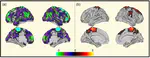
Impact of brain volume on coronavirus disease of 2019 severity and subsequent cognitive decline in patients with multiple sclerosis.
BACKGROUND: Clinical disability is among the risk factors of a more severe coronavirus disease of 2019 (COVID-19) course in patients …
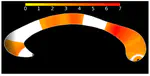
Longitudinal changes in global structural brain connectivity and cognitive performance in former hospitalized COVID-19 survivors: an exploratory study.
BACKGROUND: Long-term sequelae of COVID-19 can result in reduced functionality of the central nervous system and substandard quality of …
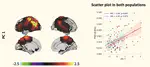
Brain age as a surrogate marker for cognitive performance in multiple sclerosis.
BACKGROUND AND PURPOSE: Data from neuro-imaging techniques allow us to estimate a brain’s age. Brain age is easily interpretable …
Signal quality as Achilles' heel of graph theory in functional magnetic resonance imaging in multiple sclerosis.
Graph-theoretical analysis is a novel tool to understand the organisation of the brain.We assessed whether altered graph theoretical …
Increased brain atrophy and lesion load is associated with stronger lower alpha MEG power in multiple sclerosis patients.
In multiple sclerosis, the interplay of neurodegeneration, demyelination and inflammation leads to changes in neurophysiological …
Increased brain atrophy and lesion load is associated with stronger lower alpha MEG power in multiple sclerosis patients.
Altered transient brain dynamics in multiple sclerosis: Treatment or pathology?
Multiple sclerosis (MS) is a demyelinating, neuroinflammatory, and -degenerative disease that affects the brain’s …
Altered transient brain dynamics in multiple sclerosis: Treatment or pathology?